WELCOME TO HAVEN-STAD
ideation
testing
presentation

RESEARCH
ONDERZOEK
INVESTIGACION
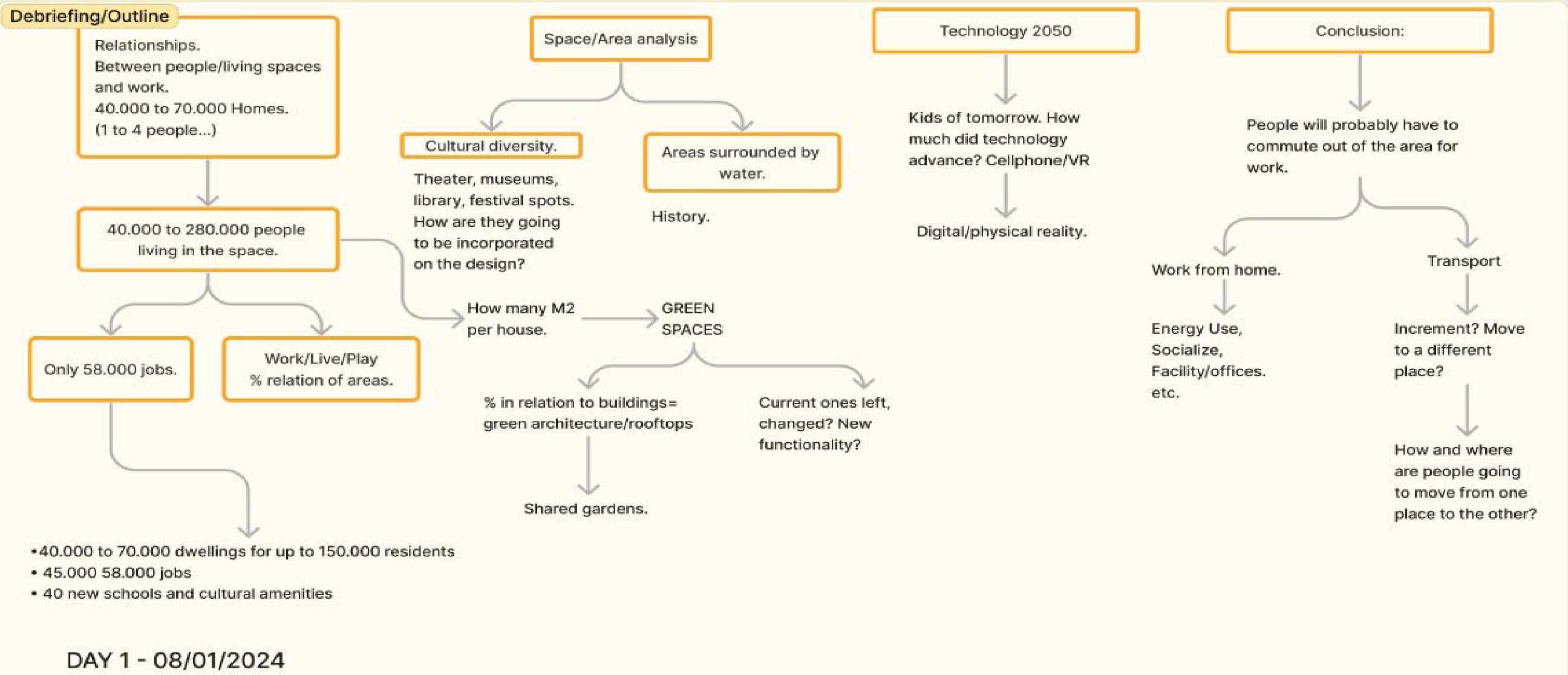
We began with an in-depth analysis of the development plans for Haven-Stad, researching the participants involved, the current problems, and the solutions being proposed. We also considered the possible social implications of converting a current industrial area into an urban district.
After meetings and reviewing the documents provided by ARCAM and the developers, we realized they were facing a challenge: how to involve both current and future citizens in imagining this new future.
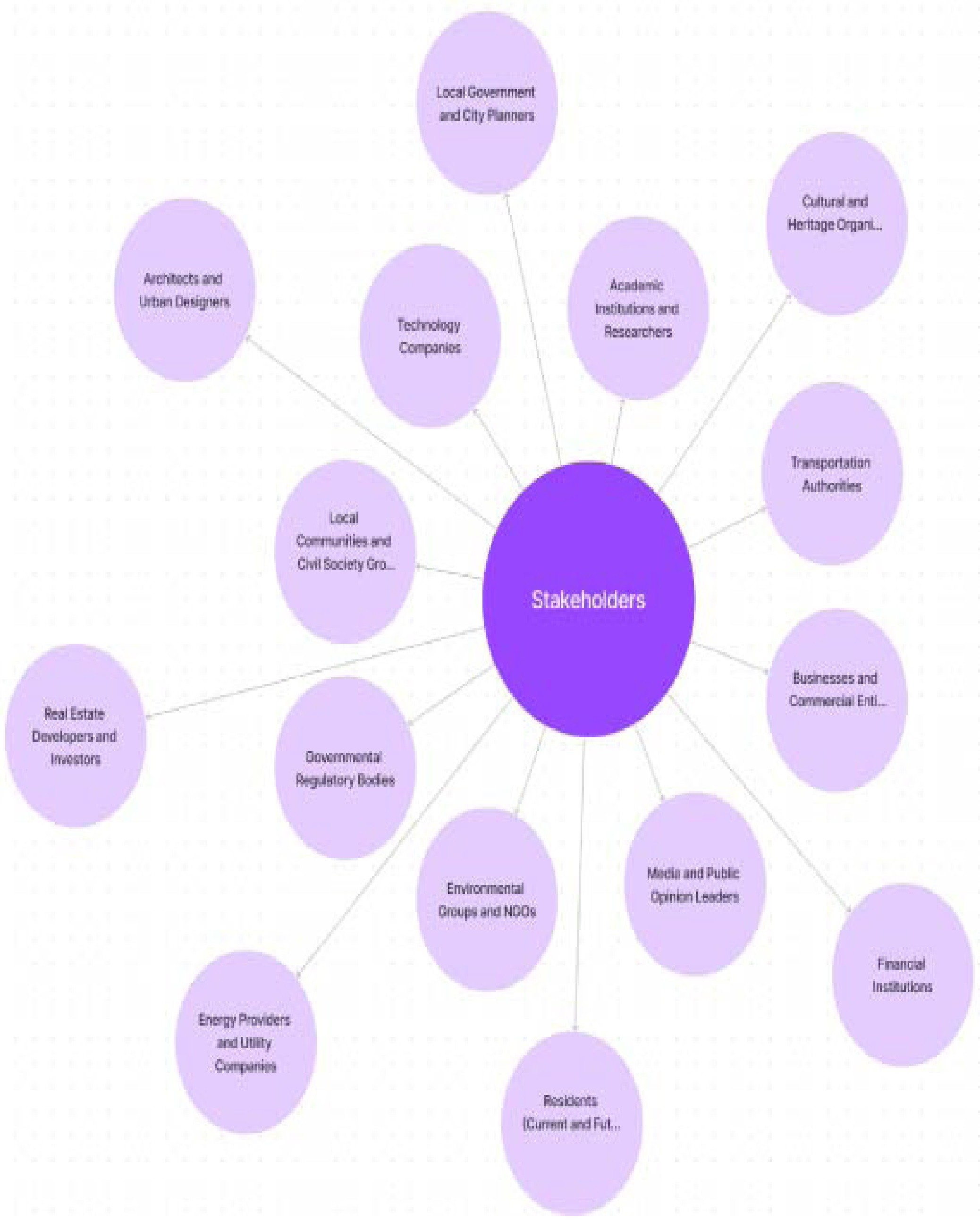
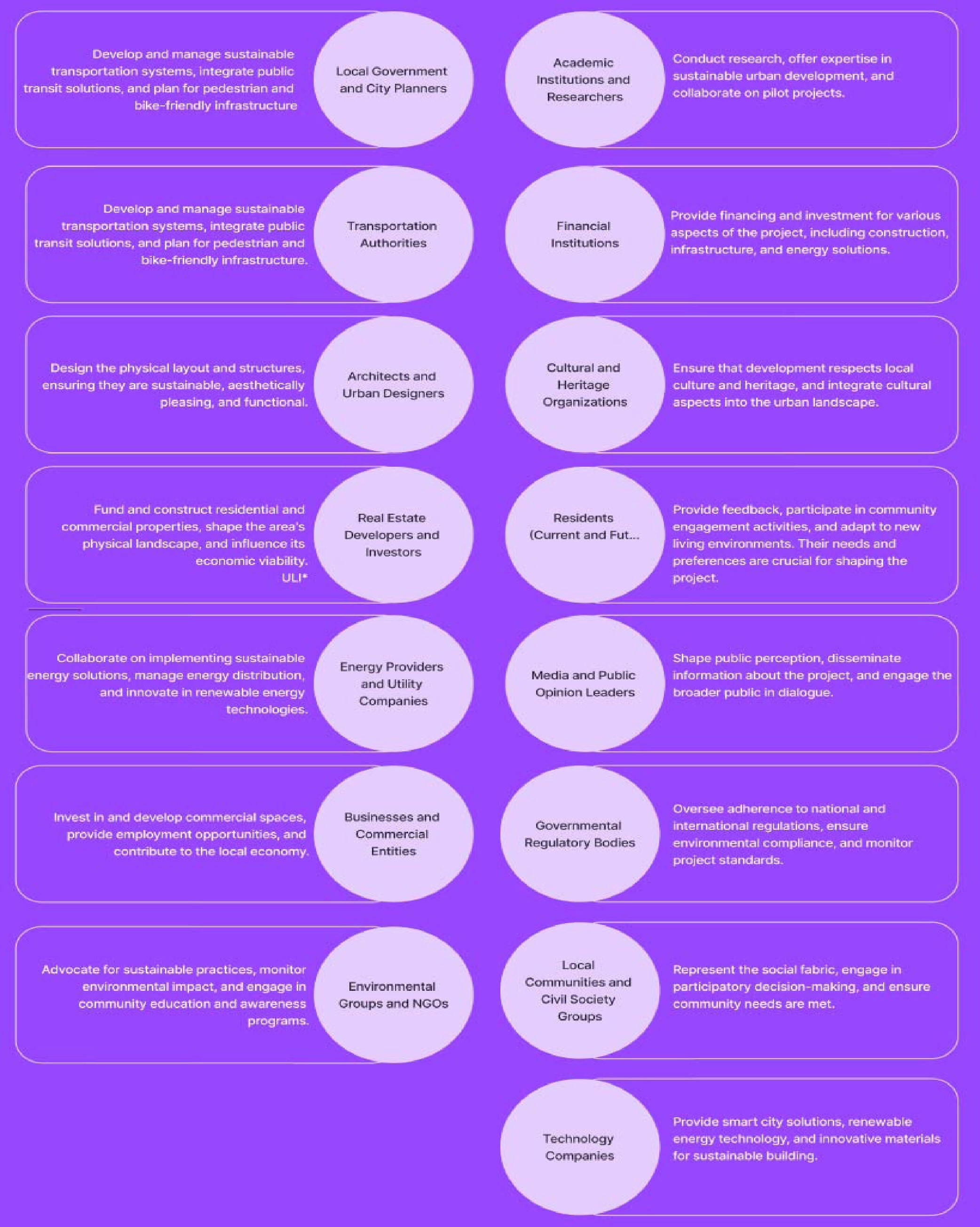
We mapped stakeholders (from municipalities to residents) and created a flow map highlighting and summarizing the four key aspects that could guide our focal point. This helped identify major friction points, such as the imbalance between planned housing and available workplaces, as well as the likely commute flows between them.
This led us to question how transport issues would be addressed and what measures might be implemented. Other questions that emerged included how green and community spaces would be incorporated, how work–life–play balance would be achieved, and many more.
IDEATION
IDEEËN
IDEACION
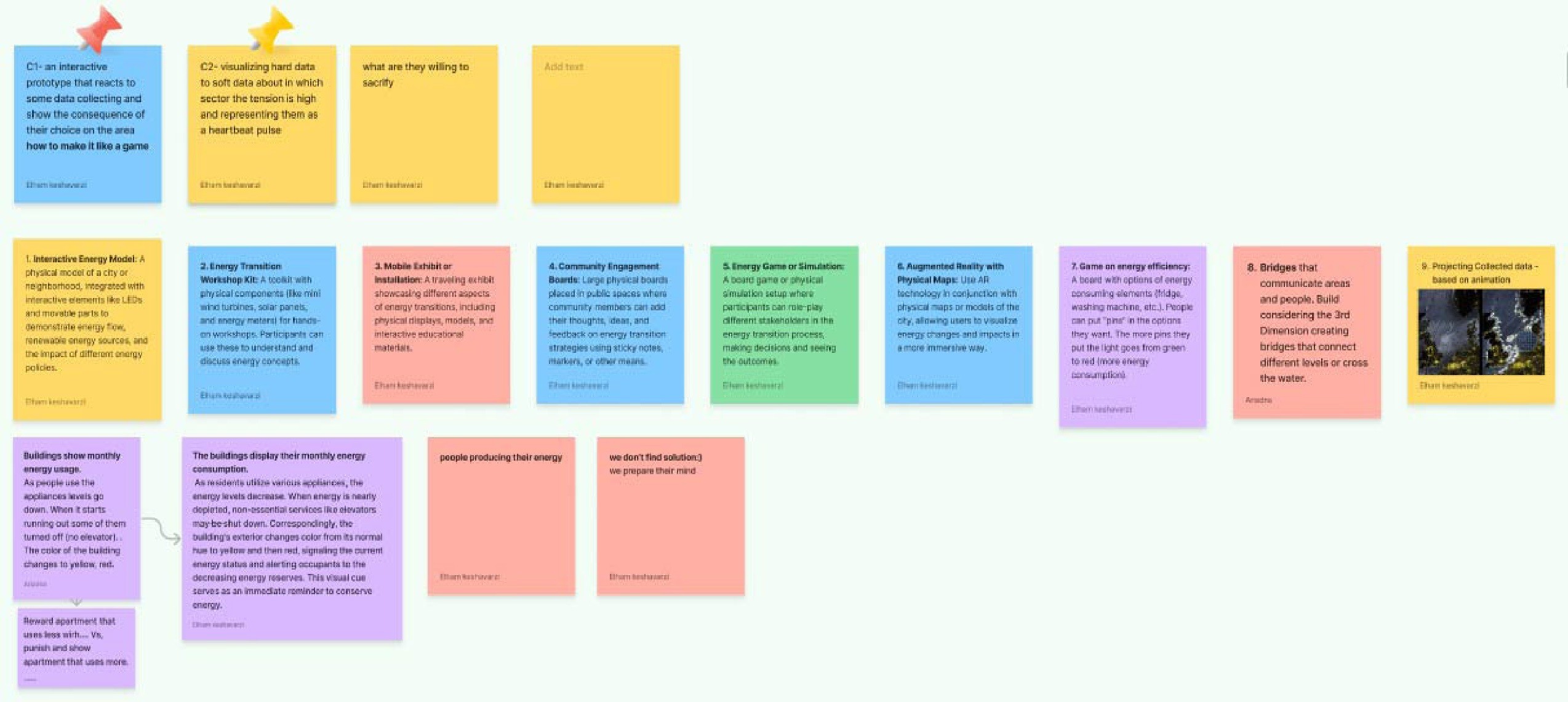
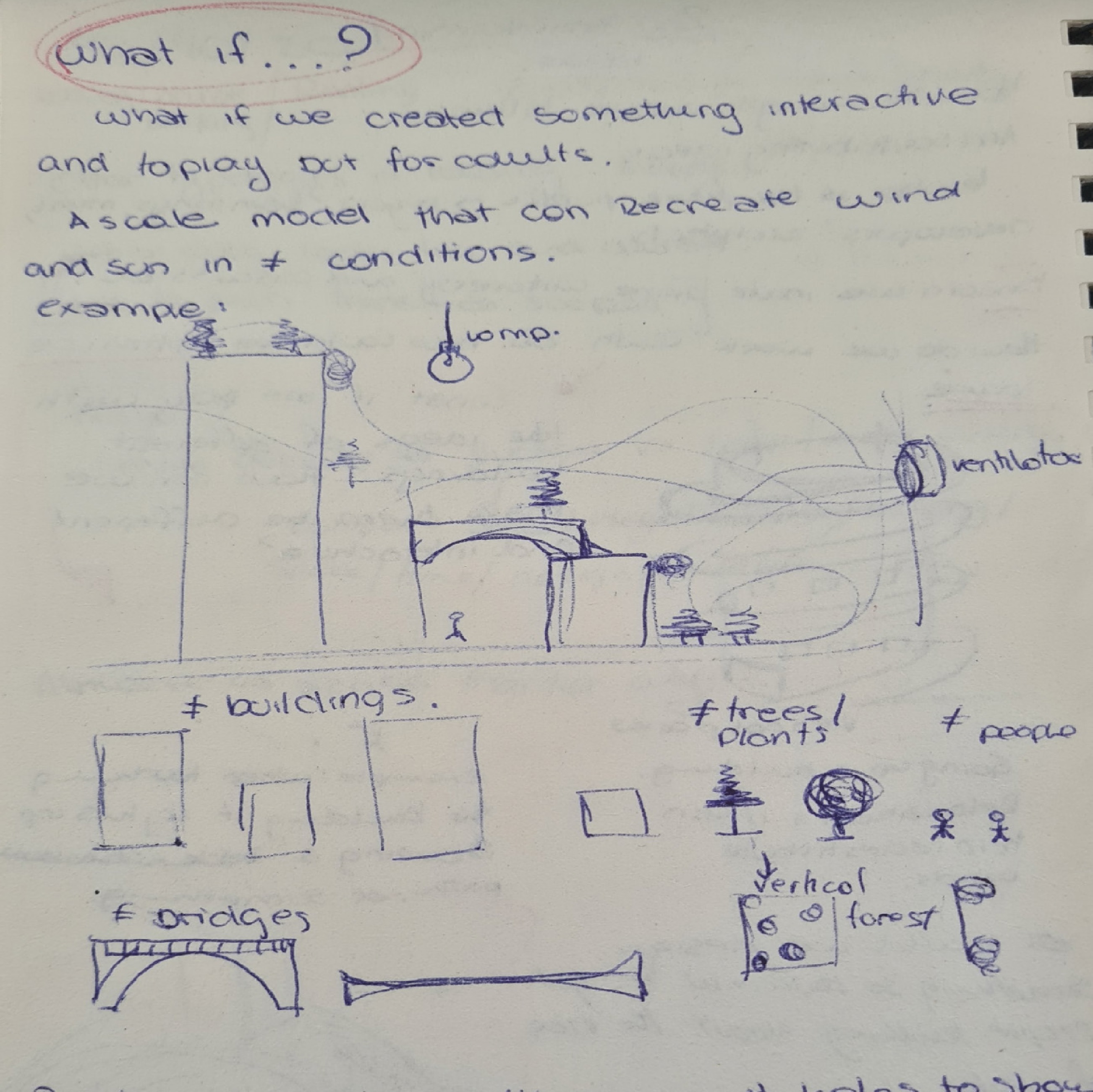
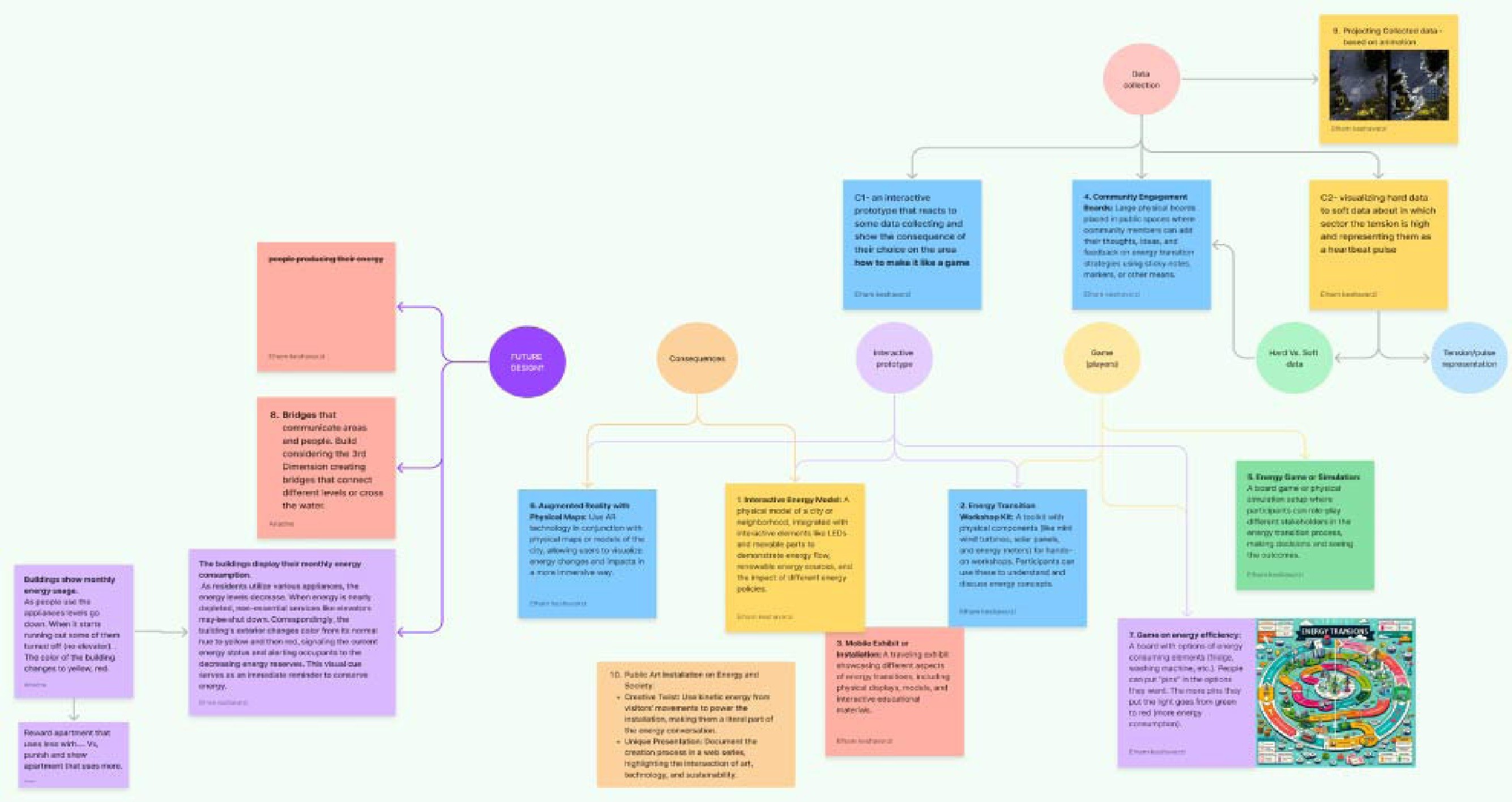
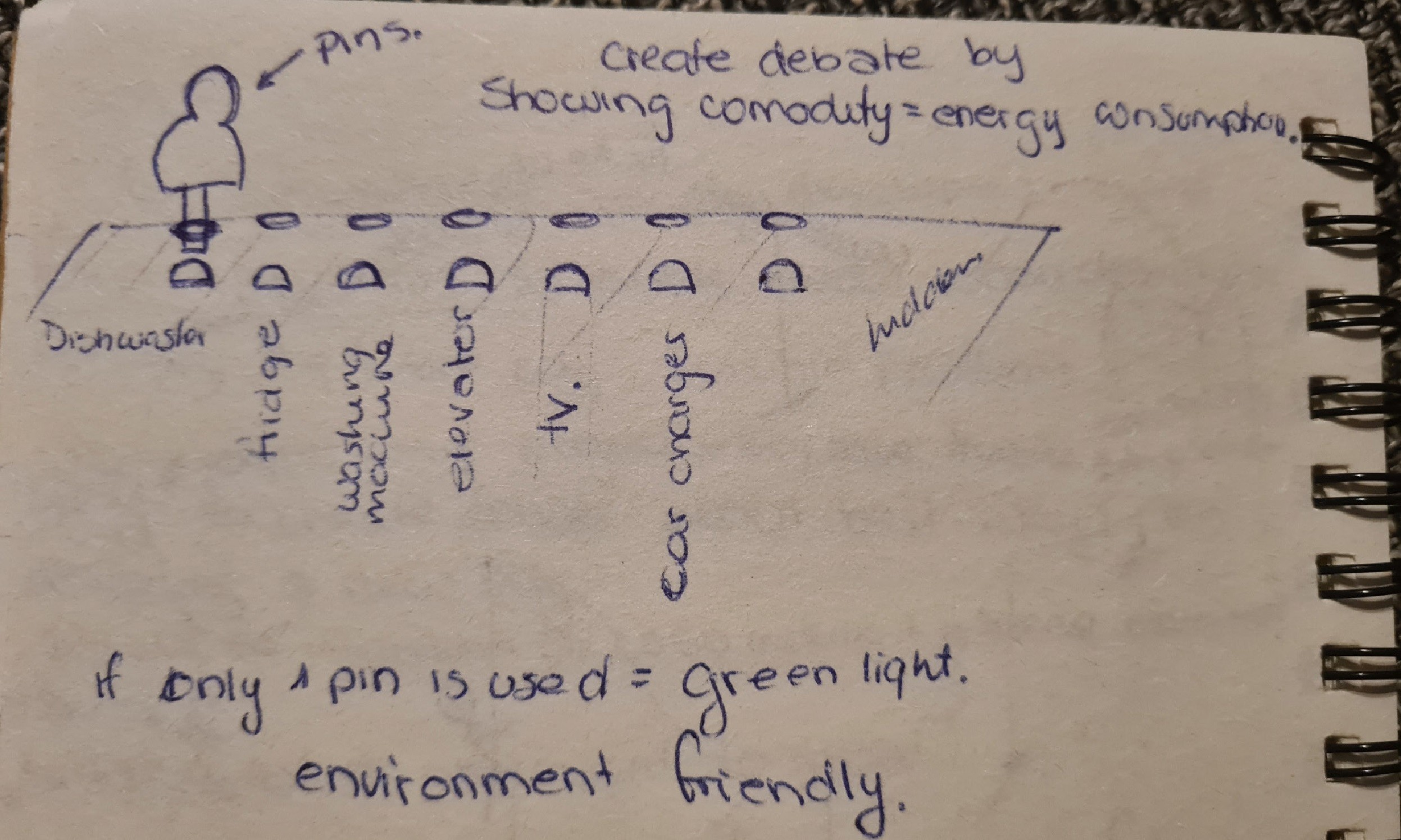
Through brainstorming, mapping exercises, and ideation, we noticed a recurring theme: play. Gamification became a way of getting people involved and participating, while helping players understand the consequences of urban decisions, it also allowed feedback for data recollection.
This direction allowed us to translate complex planning issues into tangible, approachable scenarios that could be used as exhibitions in ARCAM, taken to community meetings, or classrooms. The players could also assume roles participating from different perspectives.


TESTING
TESTEN
PRUEBAS
TESTING
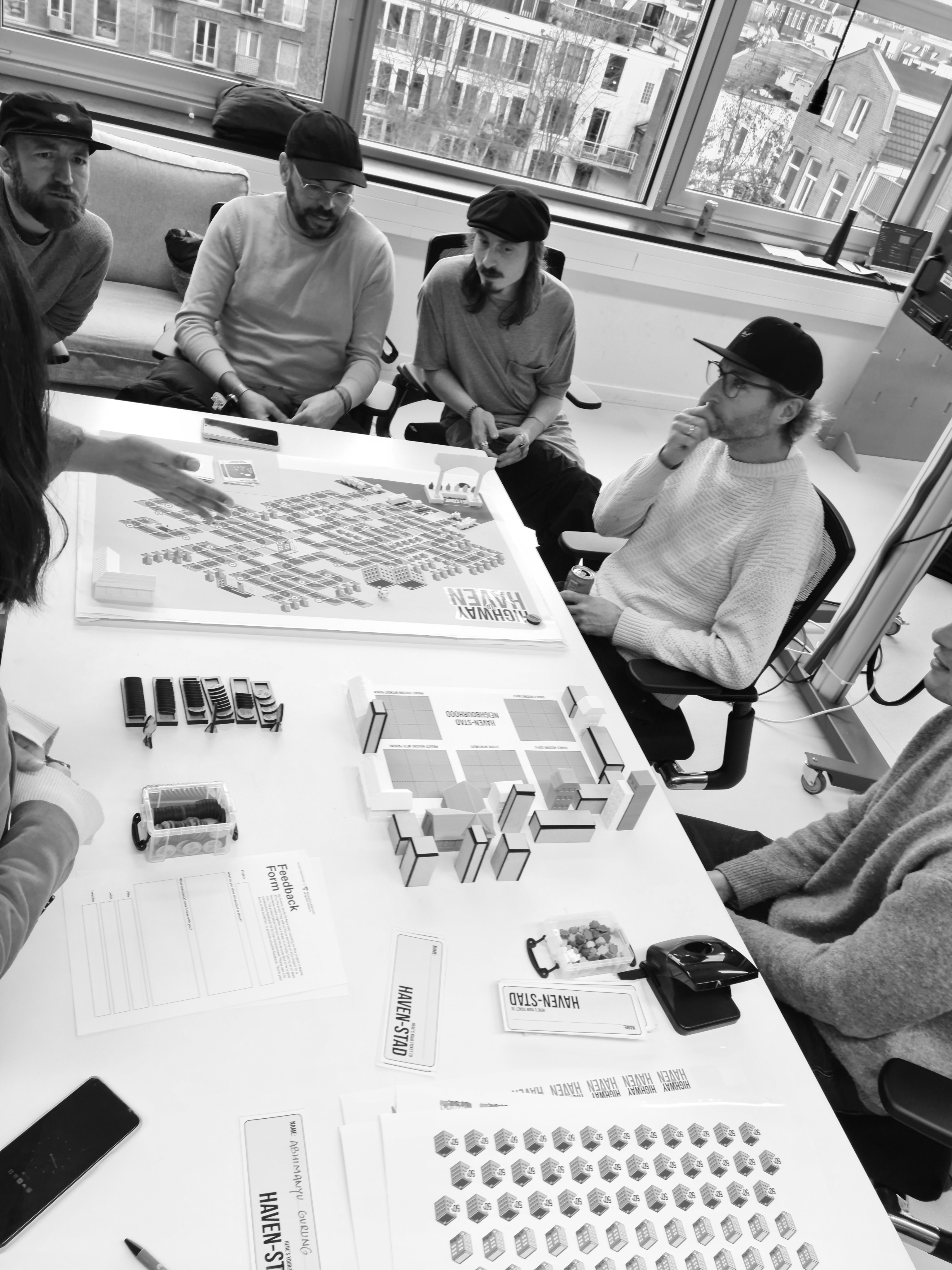
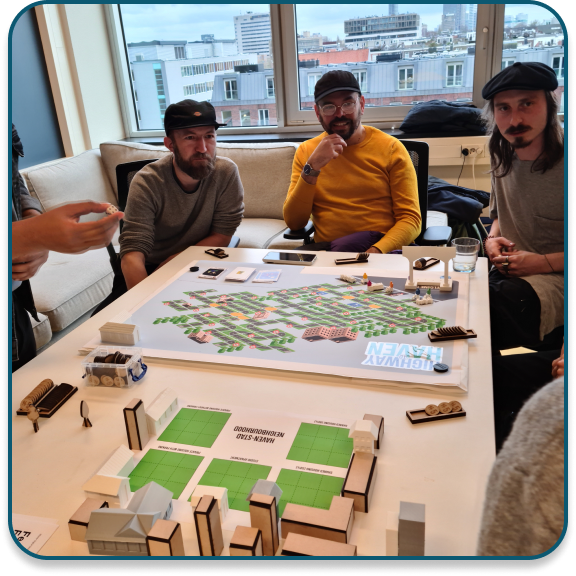
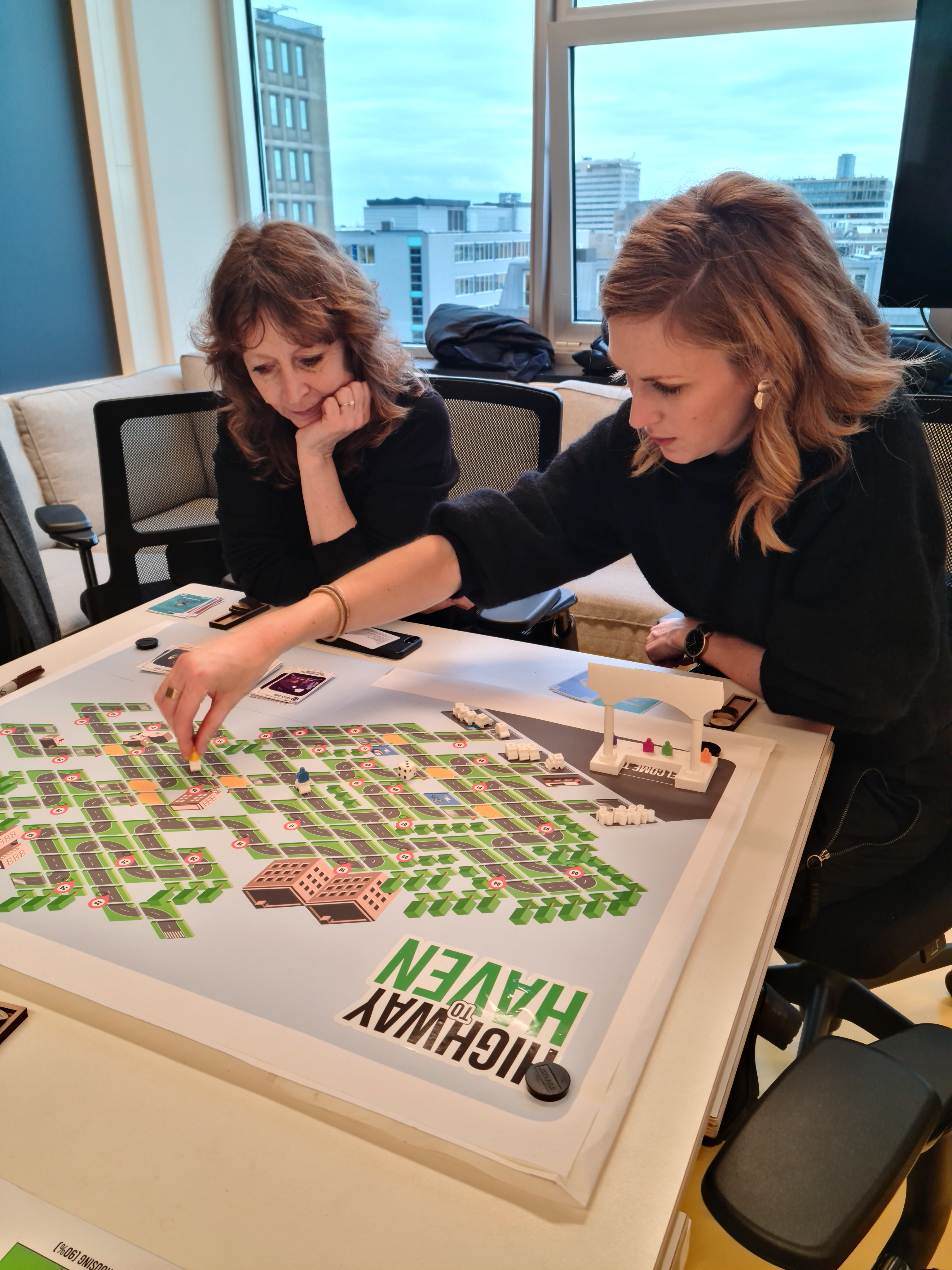
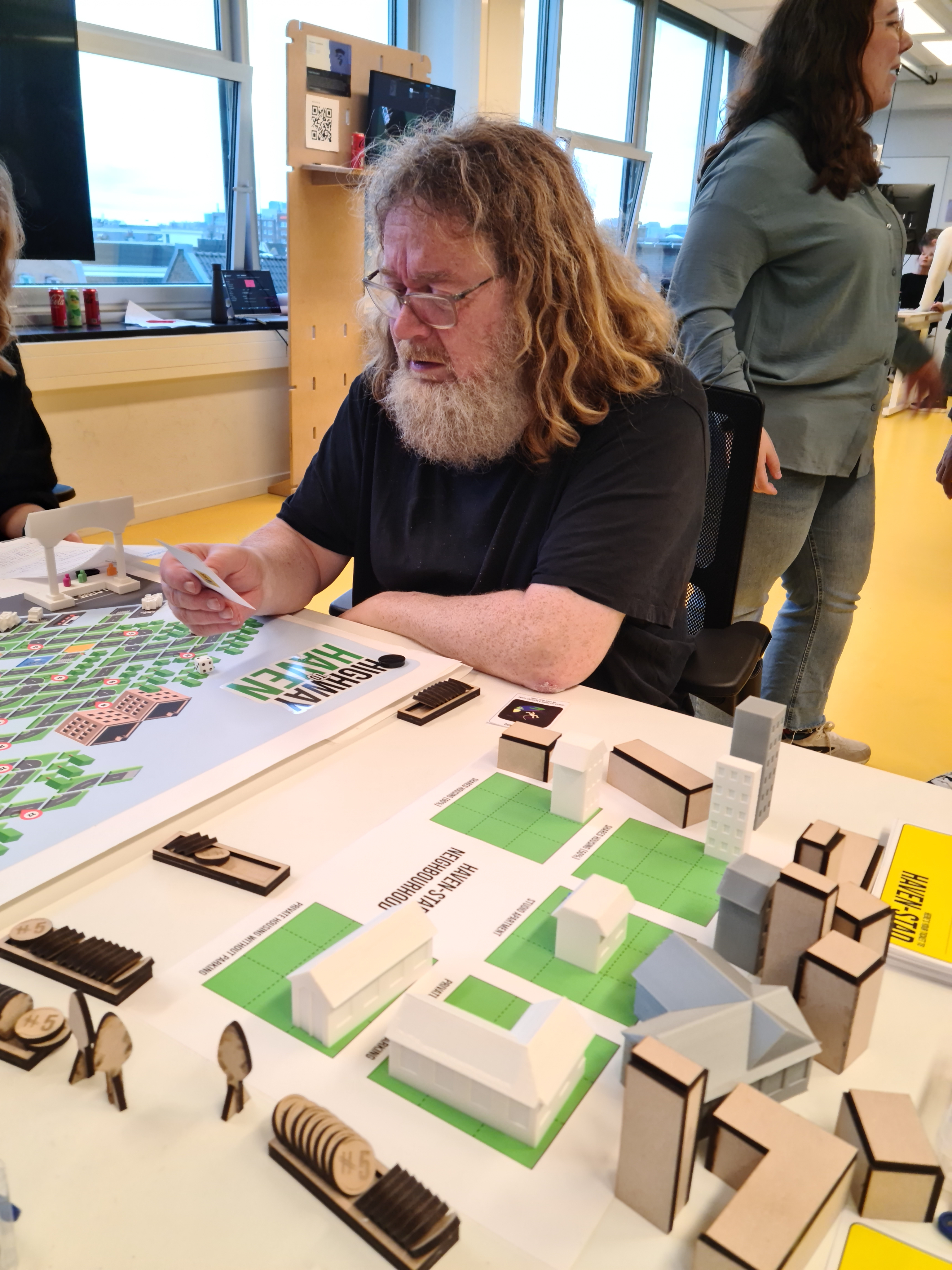
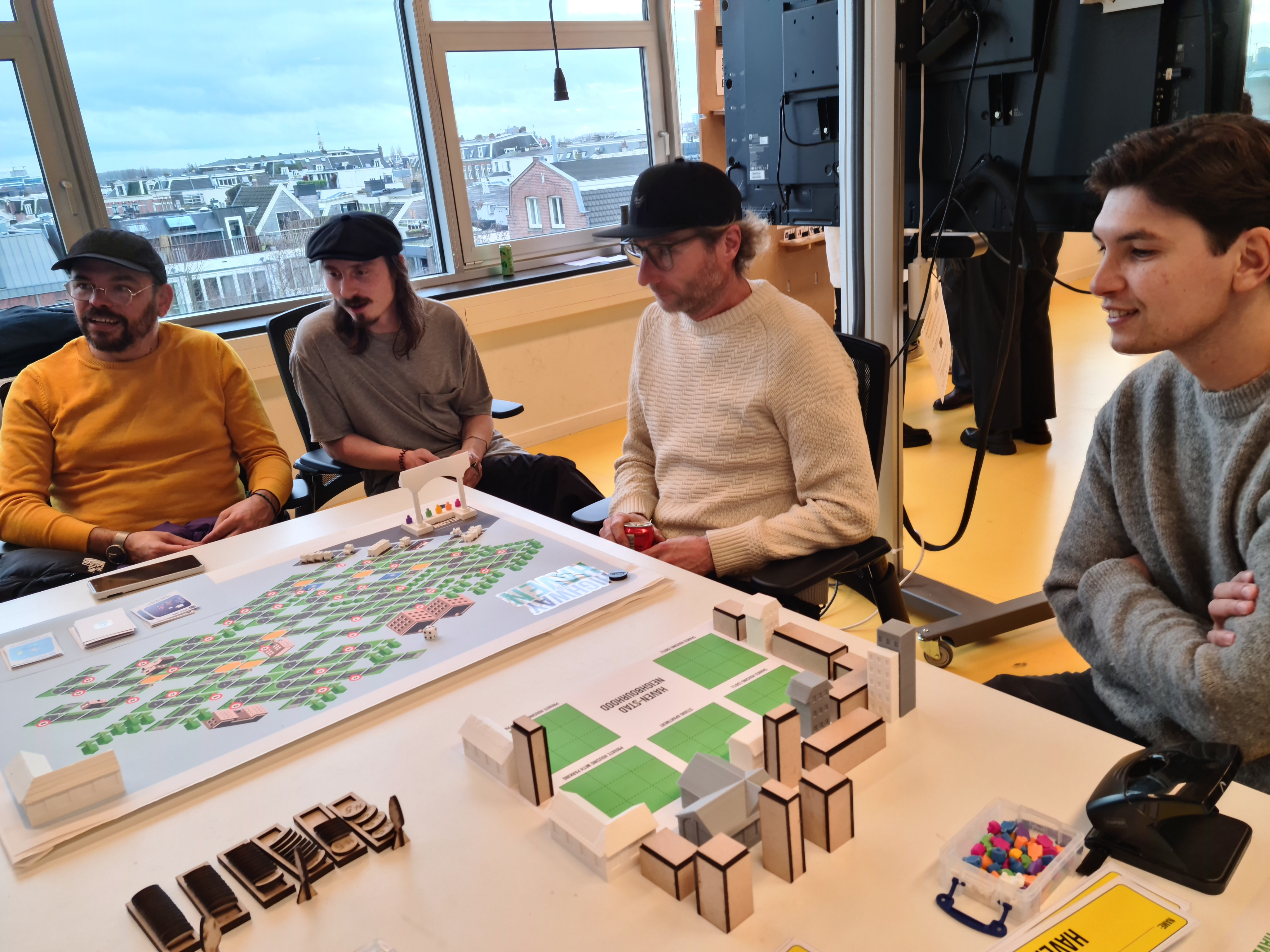
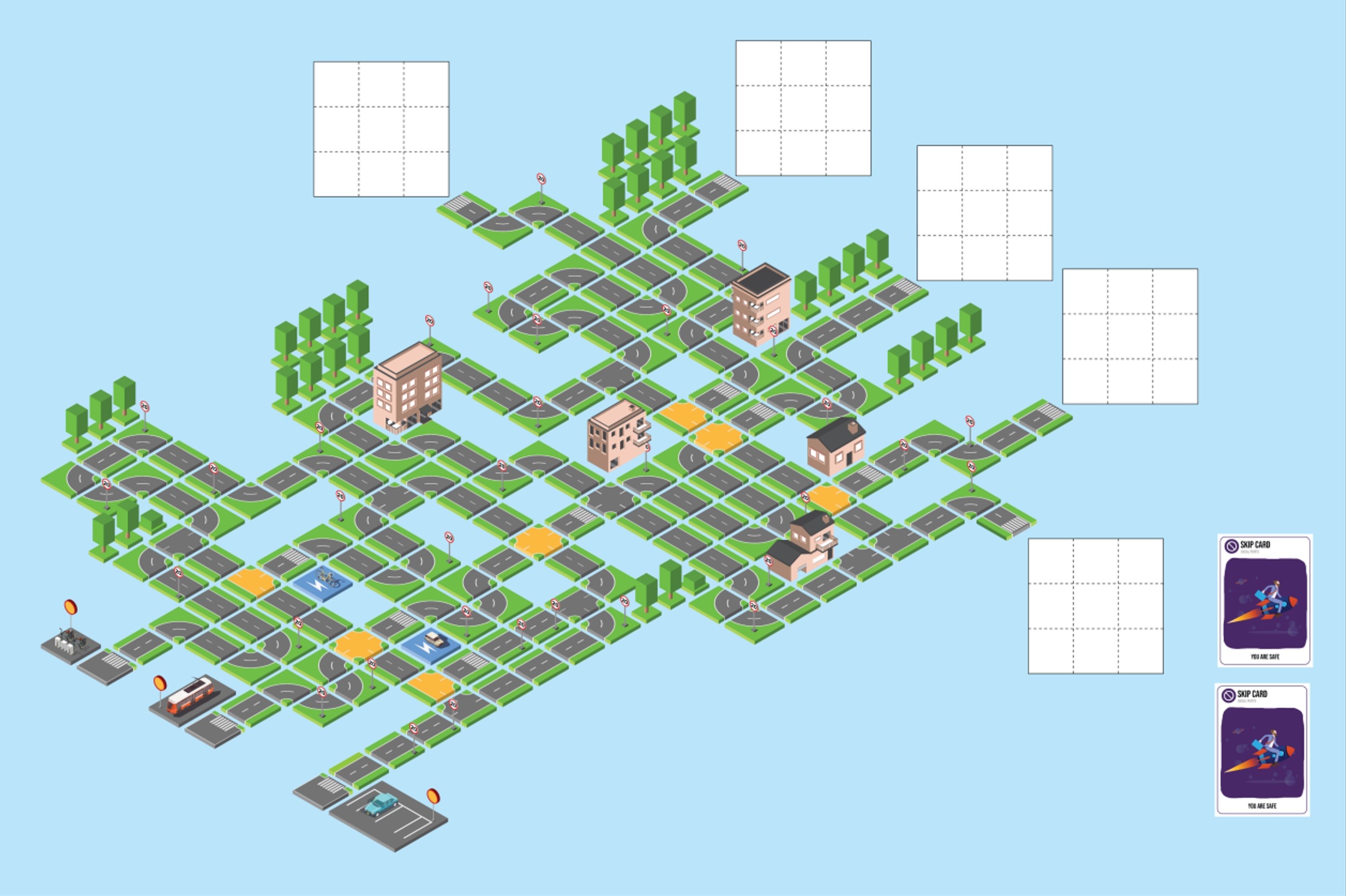
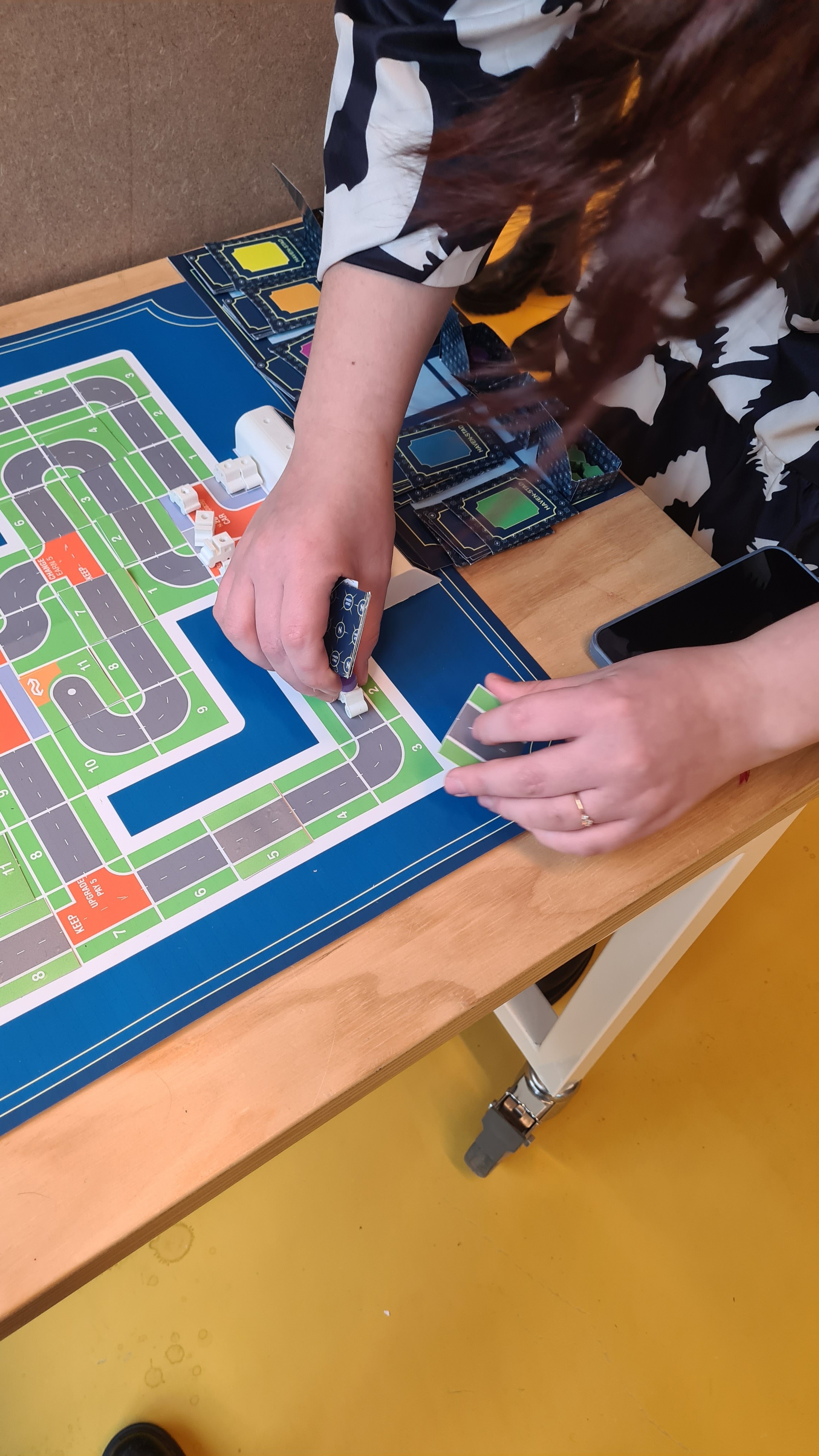
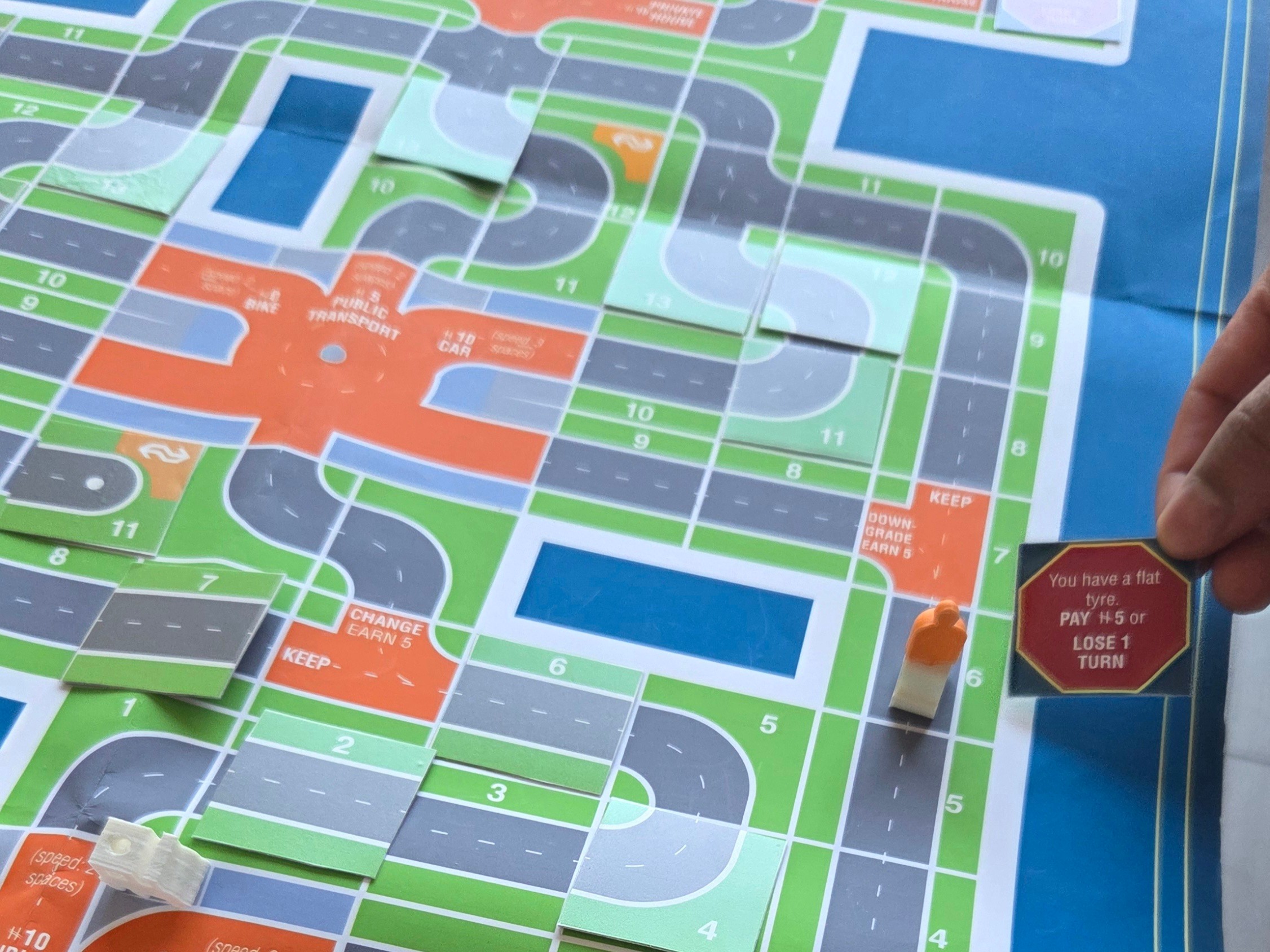
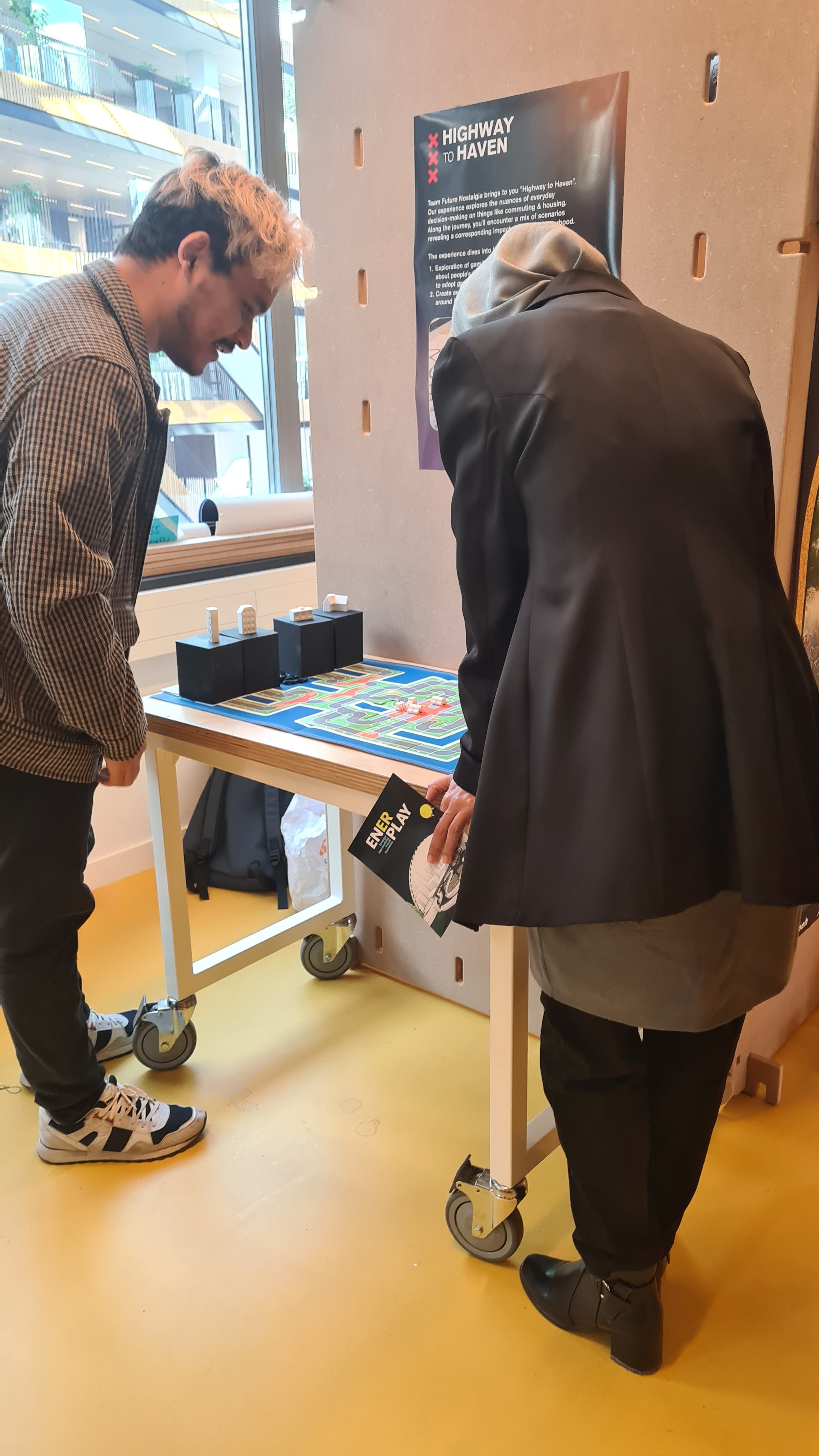
The first playable prototype was developed collaboratively. It consisted of a large board with multiple branching paths, coloured pawns, game currency, and action cards. Each route led to different outcomes depending on the decisions made, and specific spaces triggered action cards that introduced both challenges and opportunities. We tested this version with ARCAM staff, teachers and peers from the Master in Digital Design, and designers from various agencies during a university event.
PROTOTYPES
With the concept established, we went over complexity, duration and dynamics. Given the outcome also depended on the quality of information we couldn't rely on winning as a concept. Instead, our goal was to raise awareness through different decision-making elements, encouraging different perspectives and consequences.
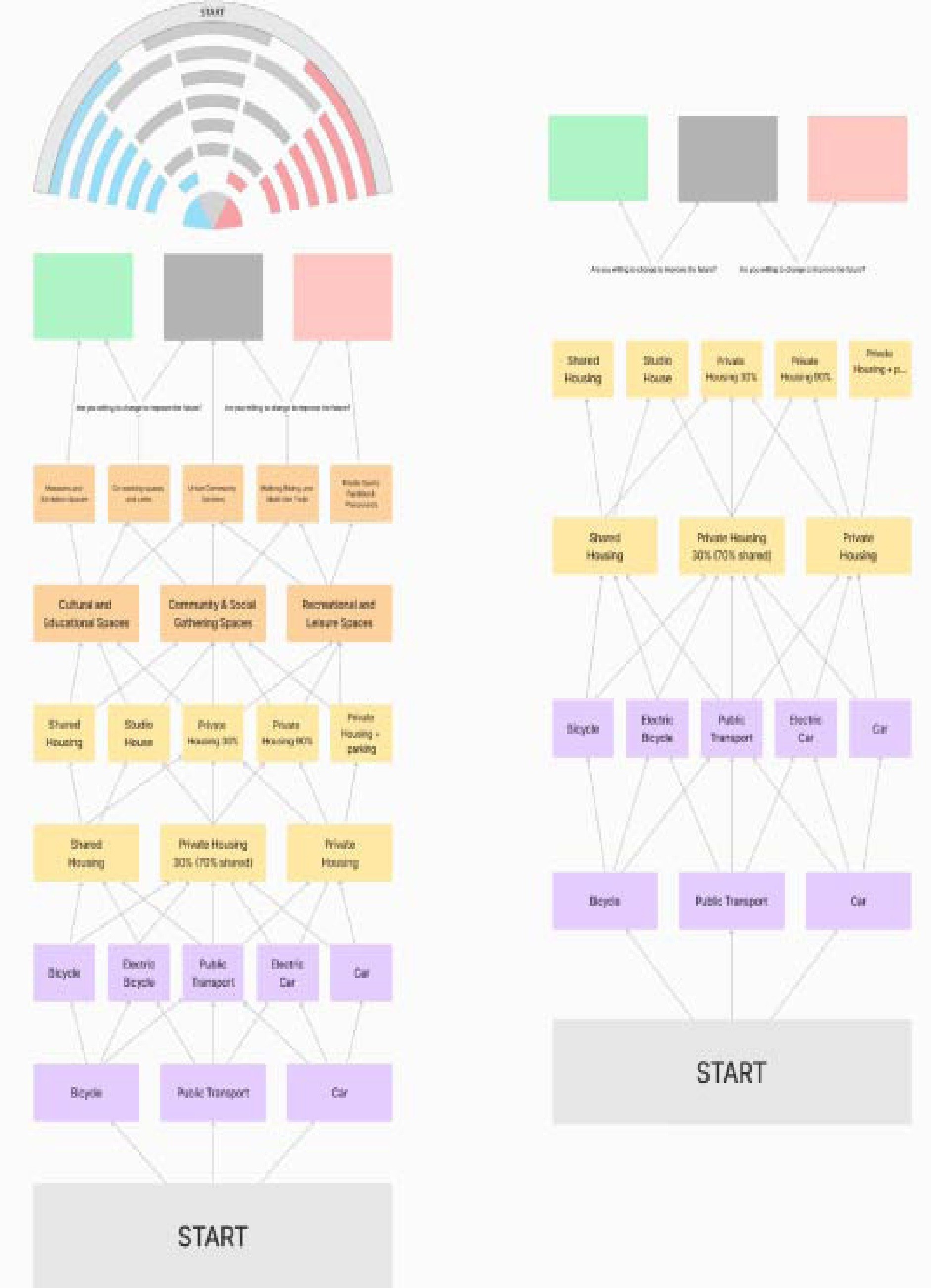
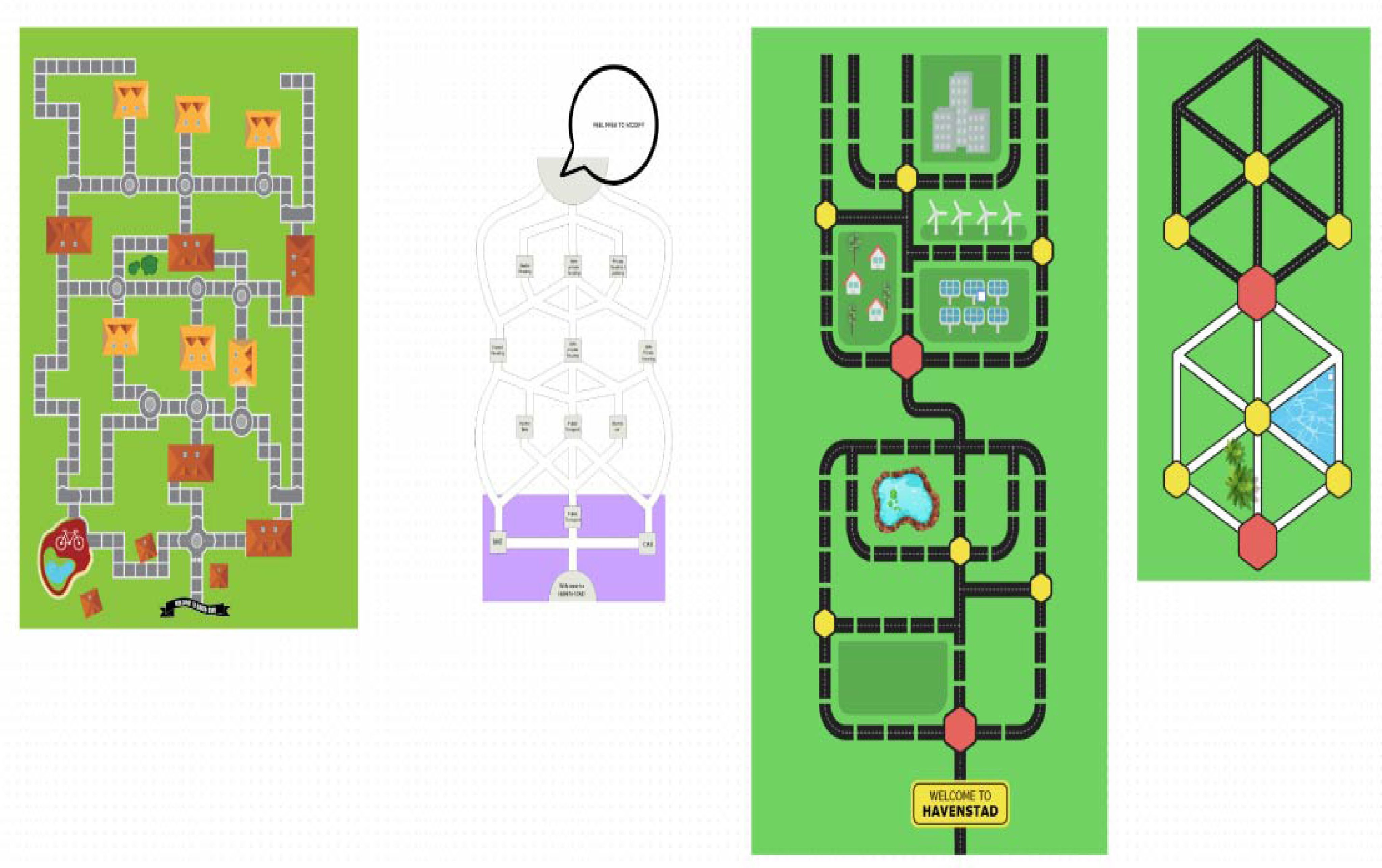
Based on the research, we decided to focus on two key decision making themes to shape the game: transport and housing. We explored how different transport options could indicate the flow of the game (for example, slower routes for cycling but with more rewards to promote an environmentally conscious decision).
MODIFICATIONS
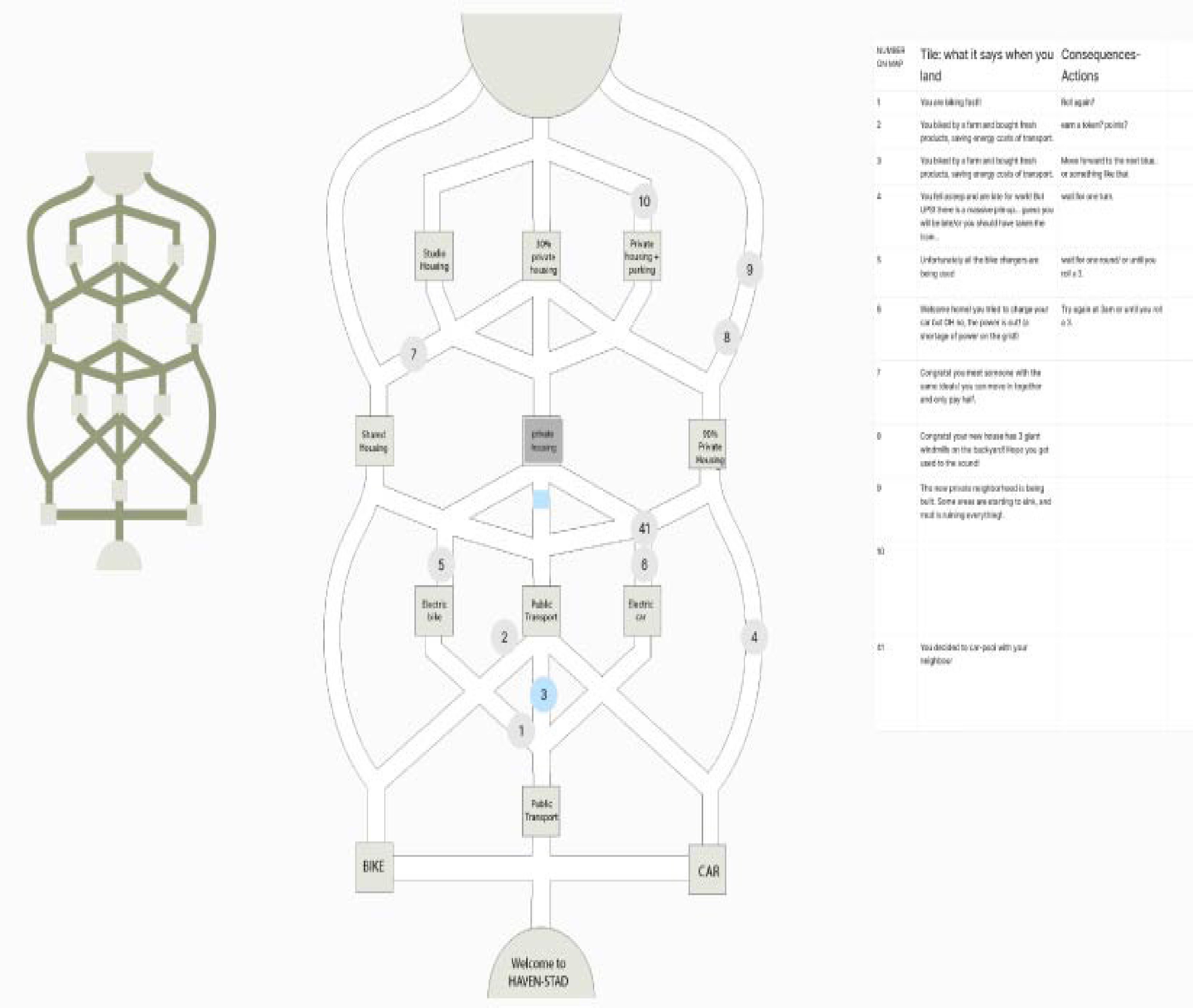
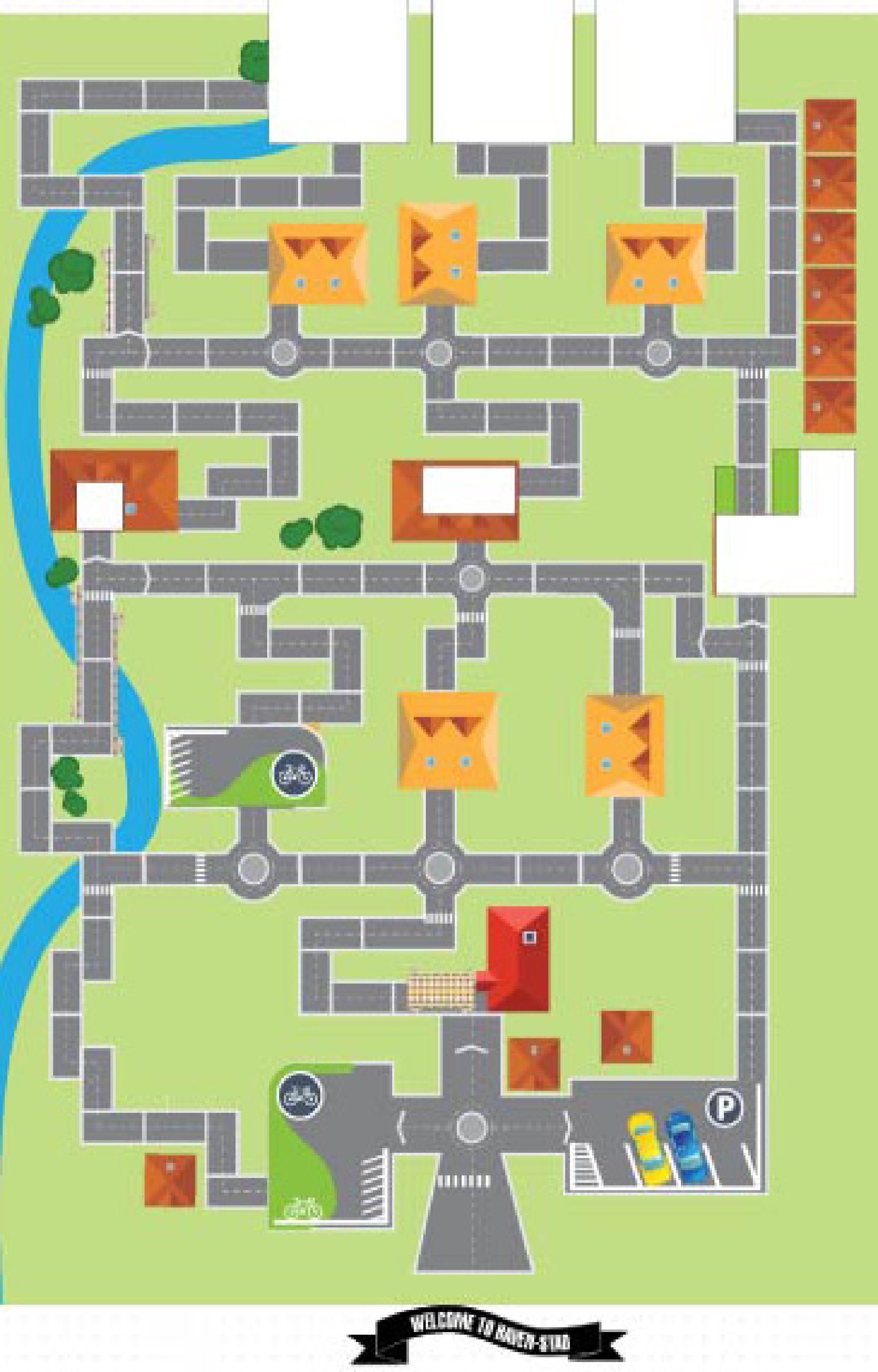
Board: The original board was designed with a 3D perspective creating confusion. Pathways overlapped and intermediate stops or decision points were hard to distinguish.
Gameplay: The use of a dice resulted in slow turns. Action cards were overly complex or unclear, and did not meaningfully contribute to the final outcomes.
Currency: Players originally received currency at random, which weakened the link between decisions and real-life socioeconomic conditions. However, the experiment brought forward an interesting question: How would your choices change if your income were different? It encouraged players to step briefly into someone else’s reality.
PRESENTATION
PRESENTATIE
PRESENTACION
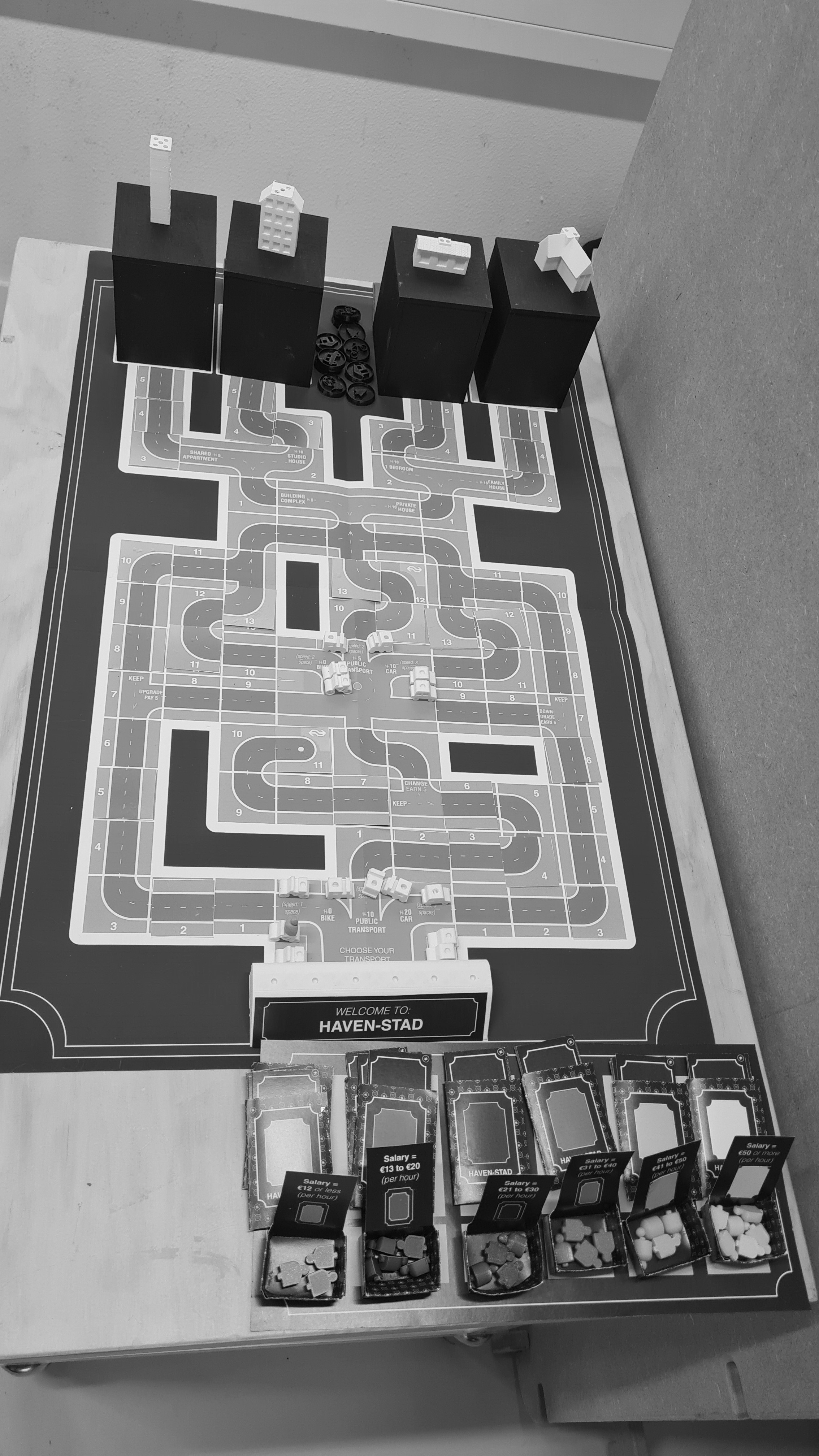
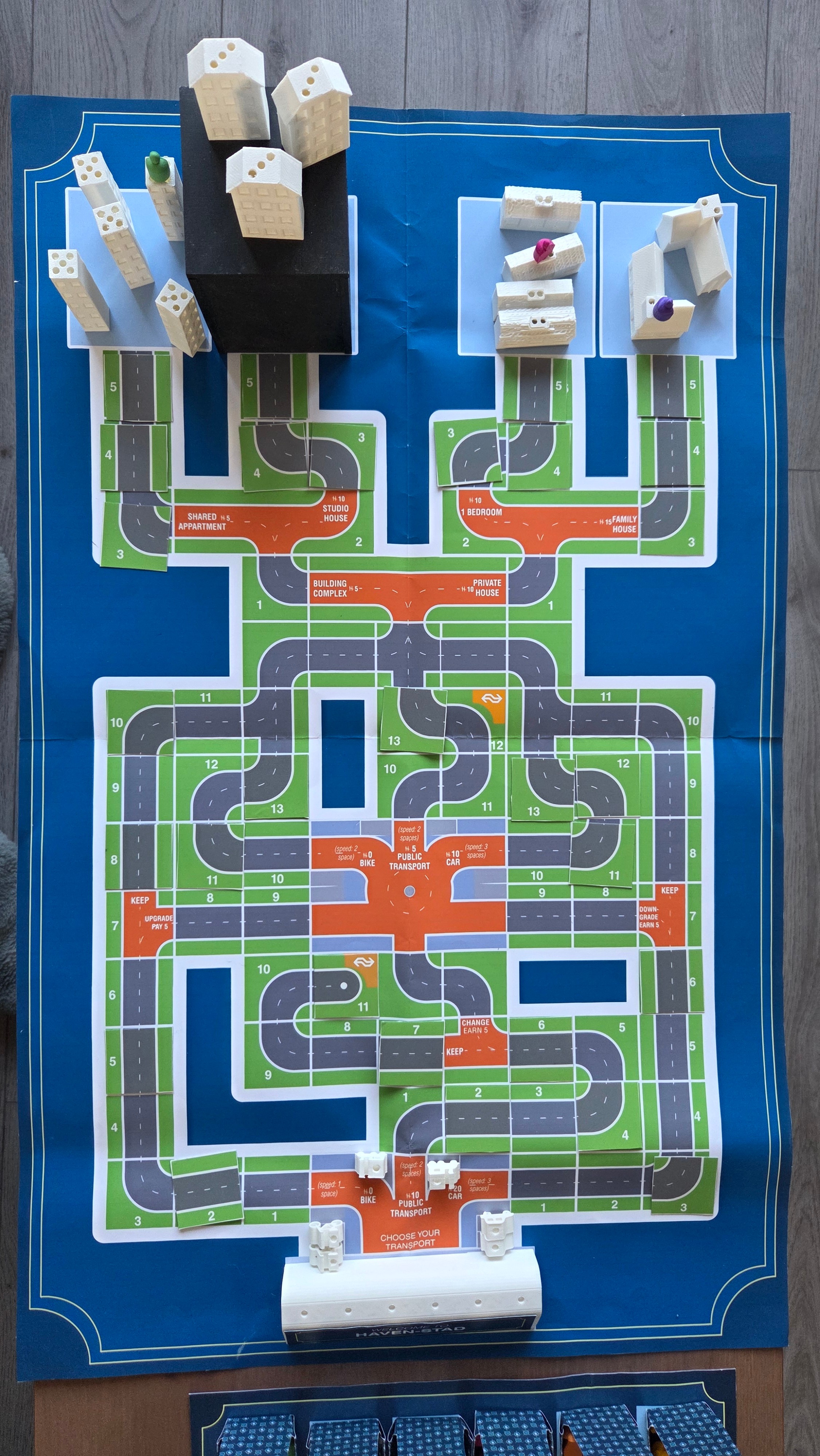
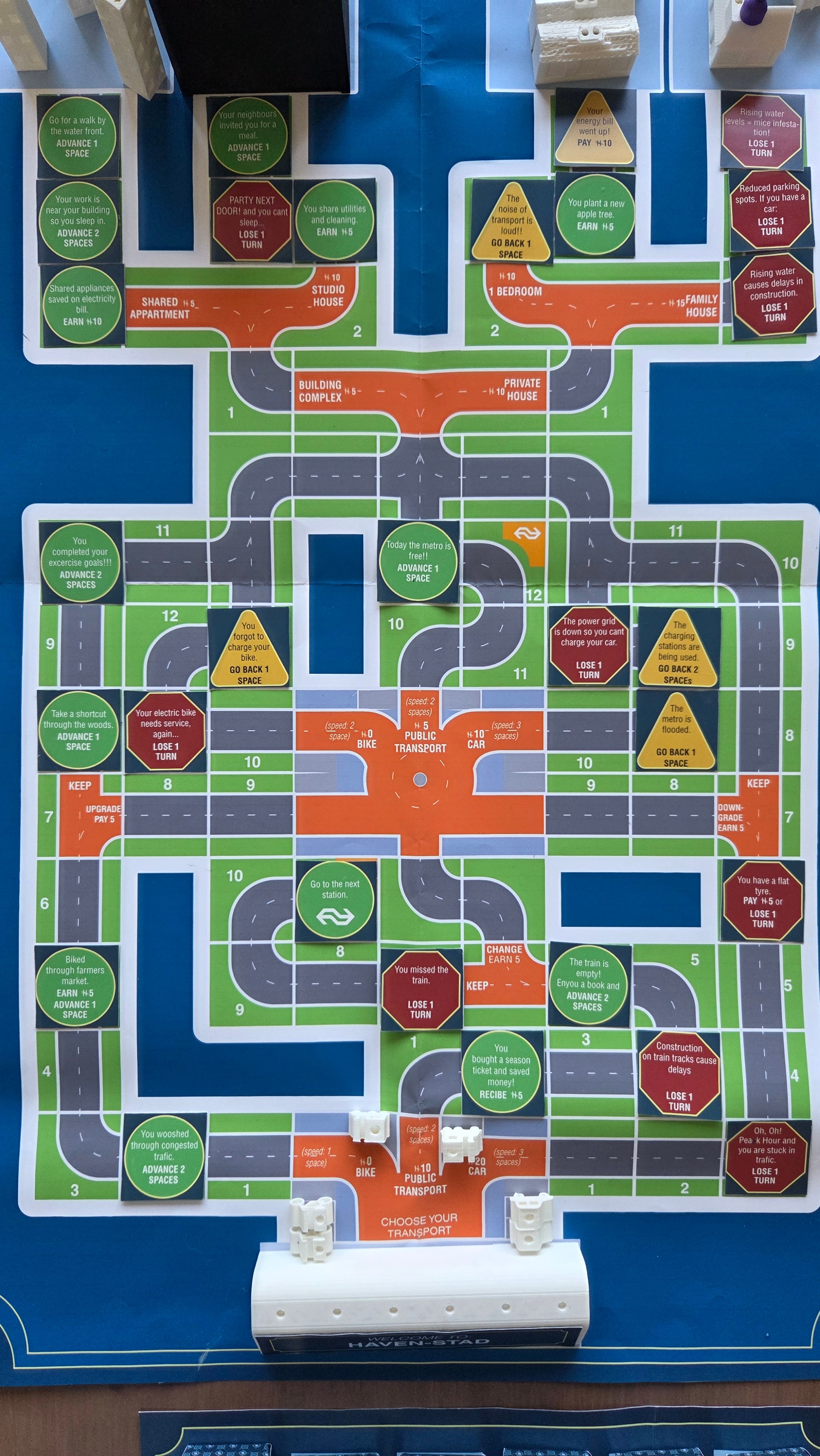
After the presentation I continued making modifications; I redesigned the identity of the game, the playing board as well as modifying the outcome by including real life neighbourhoods as well as incorporating a critique of the possible outcomes. The main modifications included:
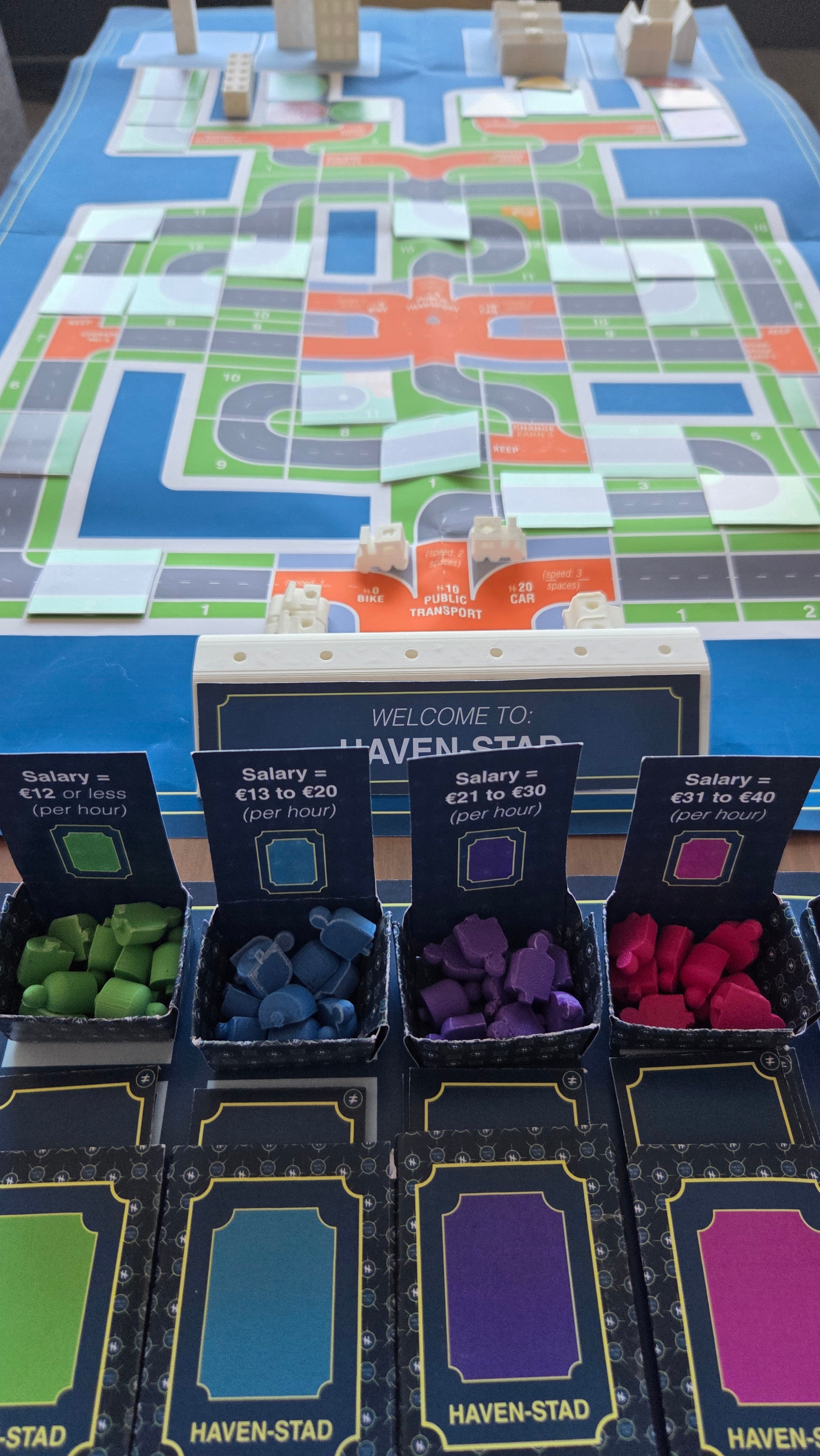
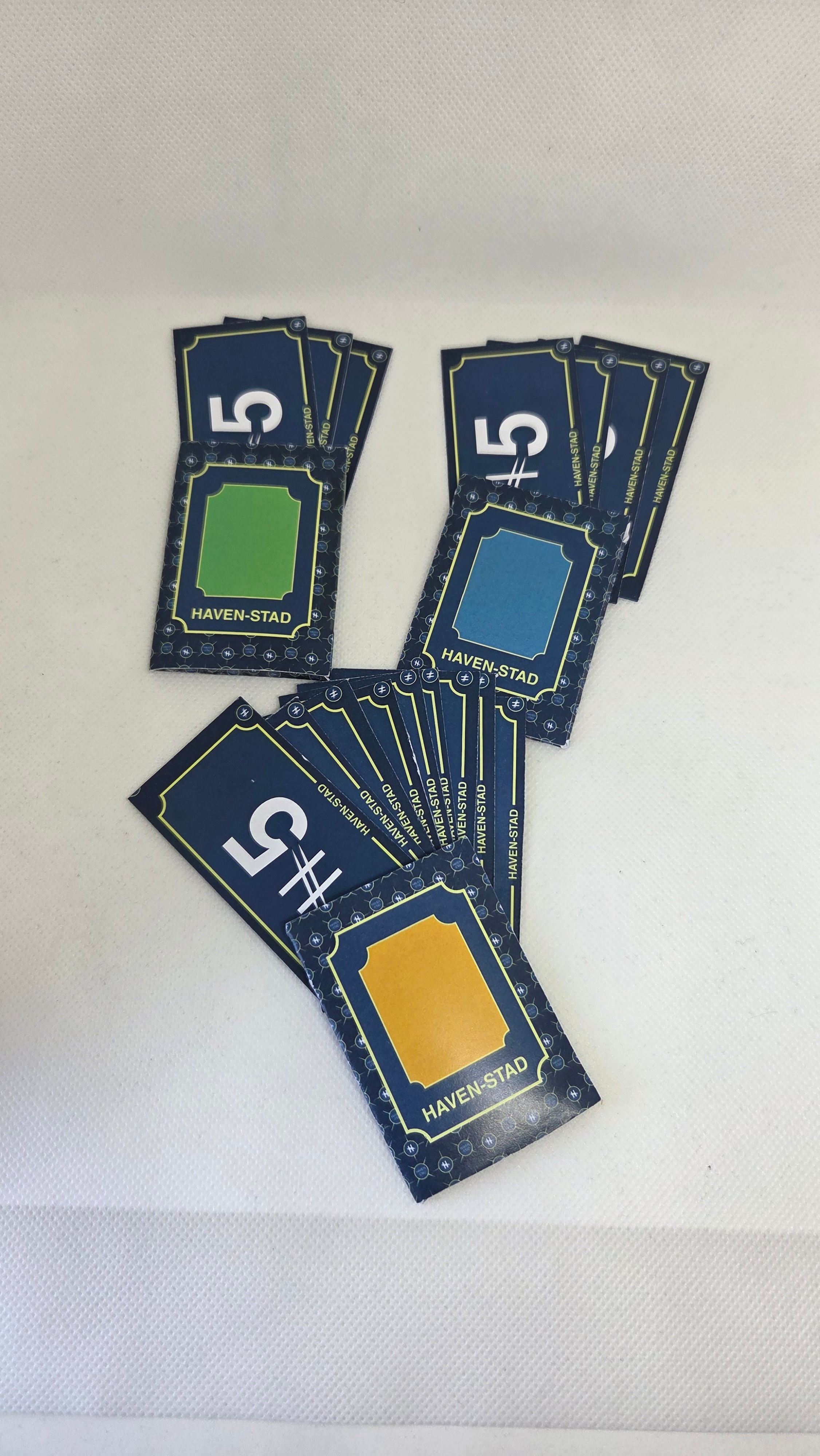
Visualization: Improved the identity of the game making a coherent union between the parts (including changing the money and the way it was handed out, the playing board and action cards).
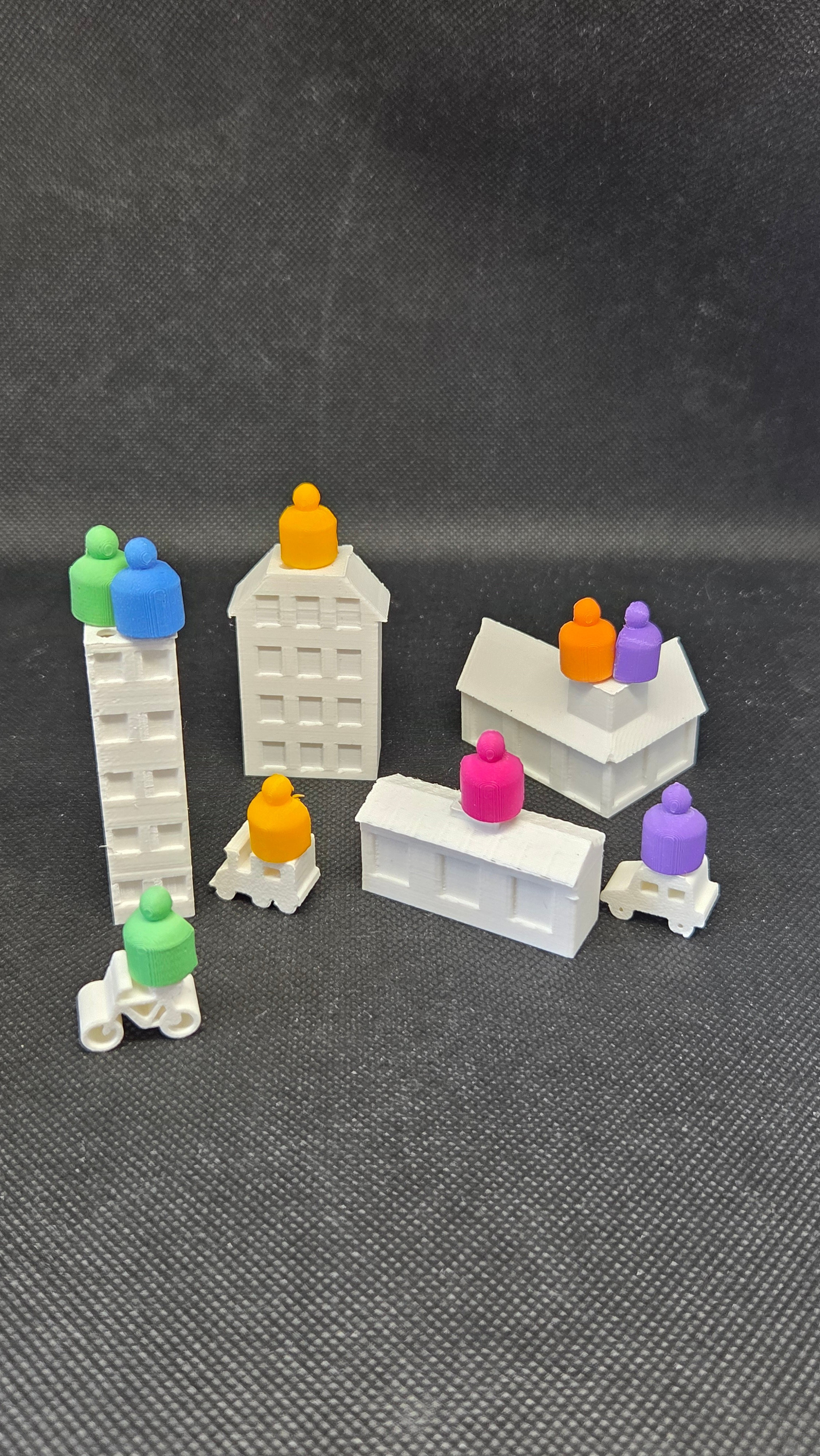
Simplified actions: By assigning fixed movement speeds to each vehicle, I eliminated the need for dice and created a faster-paced gameplay experience. The incorporation of action cards in specific places also improved the dynamics of the gameplay.
Currency: The change of currency making it dependable on the color of the token also made for more reliable feedback and data recollection. It can be translated into demographics about how the neighbourhoods are going to result.
End-game motivation: By giving a card that can be taken by the players I created bigger involvement, giving future inhabitants the possibility of reading more about the project as well as helping them reflect on the decisions they made along the game and where they ended up.
This faster game is a better adaptation for spaces such as ARCAM, but it can also serve as a teaching element in schools about the implication of the decisions being made.
CONTACTS